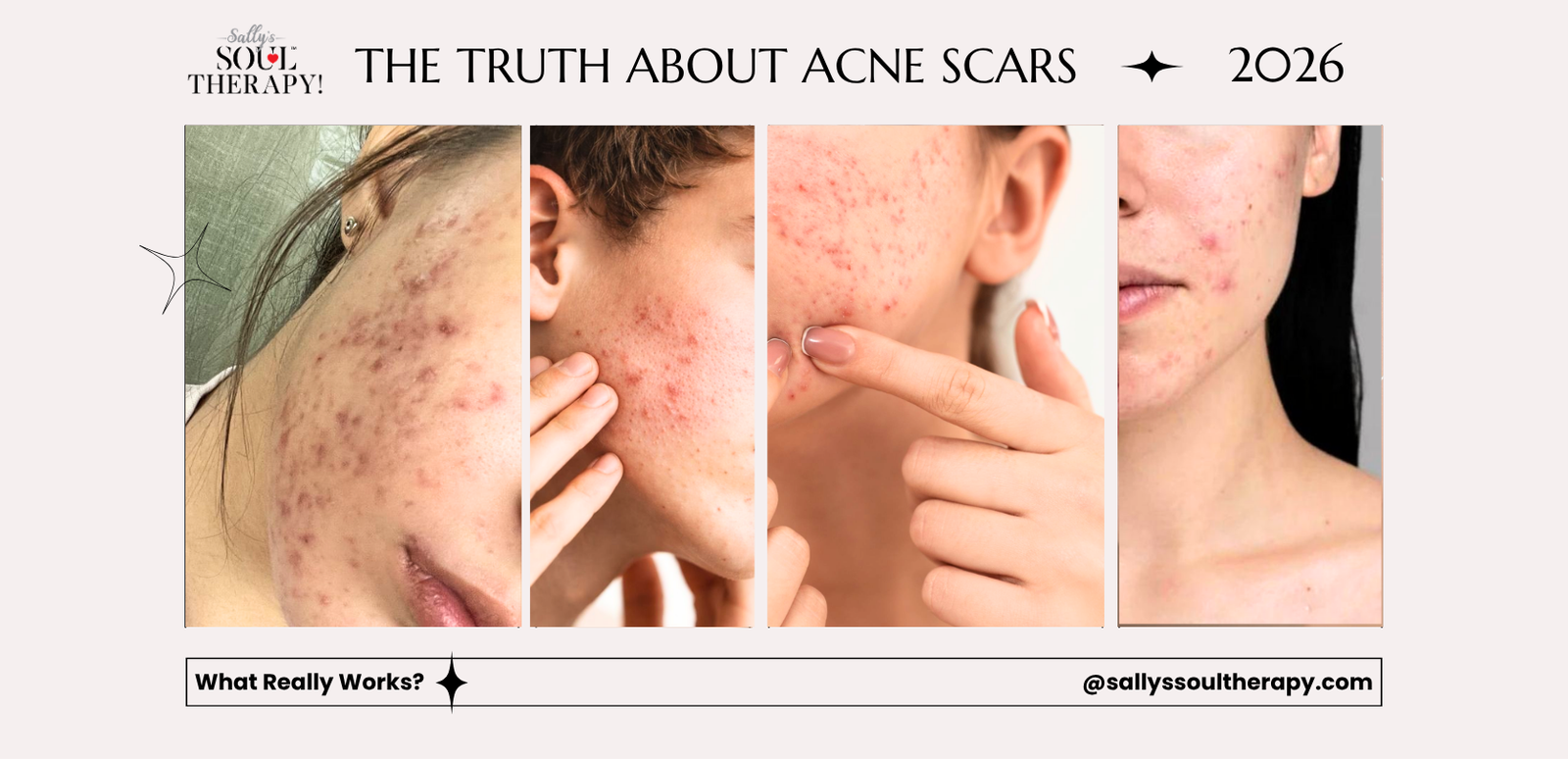

Acne Scars: The Truth Behind Them and
the Best Ways to Treat ThemThat one stubborn mark on your cheek. The uneven texture that stays long after the breakout is gone.
If you have been dealing with acne scars, you already know how frustrating they can be. You treat the acne, you wait, and yet the marks remain.
Studies suggest that over 80% of people who experience acne develop some degree of scarring during their lifetime. At Sally’s Soul Therapy, we believe understanding why acne scars form is the first step toward treating them effectively. With nearly 30 years of experience helping clients in Mumbai achieve healthier skin, we know that the right treatment plan can make a meaningful difference.
The Reality Behind Acne Scars
Many people assume that avoiding picking at their skin is enough to prevent scarring. Unfortunately, that is not always true.
Acne scars form when inflammation damages deeper layers of skin tissue. As the skin heals, the body produces collagen to repair the damage.
When the skin produces too little collagen, it can leave a dip or uneven texture. When too much collagen is produced, it can cause the scar to become raised.
Inflammation can also leave behind dark patches called post-inflammatory hyperpigmentation (PIH), which is particularly common in Indian skin tones.
Deeper, more inflamed breakouts, especially cystic and nodular acne, carry a higher risk of scarring. However, even mild acne can leave marks when the skin’s healing process is disrupted.
The key takeaway: acne scars are not simply the result of poor hygiene or carelessness. They are a biological response and require a targeted approach.
Home Remedies vs. Professional Treatments
At the clinic, we often meet clients who have spent months or even years trying home remedies such as lemon juice, aloe vera, turmeric masks, or vitamin E oil, with little improvement.
While some home remedies may provide temporary hydration or surface-level brightening, they cannot address structural scarring or stimulate collagen production deep within the skin.
Professional treatments are designed to target the underlying cause of scarring. They can be tailored to your scar type and sensitivity, with expert monitoring throughout the treatment process.
The difference is simple:
- Home remedies primarily work at the skin’s surface.
- Professional treatments target deeper skin changes and collagen repair.
- DIY approaches can cause irritation when used incorrectly.
- Professional treatments are performed with appropriate guidance and aftercare.
Professional Solutions at Sally’s Soul Therapy
At Sally’s Soul Therapy, every acne scar treatment plan is personalised. There is no one-size-fits-all solution because different types of scars require different approaches.
Microneedling
Microneedling creates controlled micro-channels in the skin using fine needles. By supporting the skin’s collagen and elastin production, the treatment can help improve the appearance of uneven texture, fine lines, and overall skin quality.
Benefits include:
- Stimulating natural collagen production
- Improving skin texture and irregularities
- Gradually reducing the appearance of pitted scars
- Supporting smoother, more even-looking skin
Explore our Microneedling Services to learn more.
Chemical Peels
Chemical peels help improve the appearance of acne scars by promoting skin renewal and healthier cell turnover. At Sally’s Soul Therapy, the formulation and concentration are selected according to your scar type, skin condition, and skin sensitivity, ensuring the treatment is tailored to your individual skin needs.
They can help:
- Reduce post-inflammatory hyperpigmentation and dark marks
- Improve uneven skin texture
- Encourage fresh skin cell turnover
- Gradually improve superficial acne scarring
A professionally administered course of chemical peels can help improve acne-related pigmentation over a structured treatment period.
Explore our Chemical Peel Services to find the right peel for your skin.
Q-Switch Laser Treatments
For stubborn pigmentation and post-inflammatory hyperpigmentation left behind by acne, Q-Switch Laser offers a targeted approach. The laser delivers precise energy pulses to break down excess melanin while minimising impact on surrounding tissue.
It can help reduce dark marks and uneven skin tone, with minimal downtime, making it particularly useful for persistent pigmentation concerns.
Explore our Laser Treatments to understand whether this is the right solution for your skin.
Your Home Skincare Routine Matters Too
Professional treatments create the foundation for improvement, but what you do at home between sessions also matters.
The Skin Secret Face Serum, formulated with Glycolic Acid, Niacinamide, and antioxidants, supports skin renewal, pigmentation concerns, and uneven tone between treatments.
The Sun Shade SPF 50+++ Vitamin C & Niacinamide Sunscreen is essential. UV exposure can darken existing pigmentation and affect treatment results. Daily sunscreen helps protect your skin and prevent further darkening.
Professional treatment + consistent home care = the best possible support for your skin’s recovery and results.
Why Professional Guidance Matters
Not all acne scars are the same. Pigmentation marks, pitted scars, and raised scars can respond to completely different treatments. Using the wrong product or treatment can delay progress and, in some cases, worsen the concern.
This is why personalised consultation matters.
At Sally’s Soul Therapy, professional assessment helps determine your scar type, skin tone, sensitivity, and individual needs. Your treatment plan is then designed around your skin and adjusted as it responds.
You are not receiving a generic package. You are receiving decades of expertise applied personally to your skin.
Clearer Skin Is a Journey, Not a Quick Fix
Acne scars can be frustrating, but they are treatable with the right approach.
The path to clearer-looking skin is not about trying every home remedy or following the latest trend. It is about understanding your skin, choosing appropriate treatments, and following a consistent, professionally guided plan.
At Sally’s Soul Therapy, we have spent nearly 30 years helping clients in Mumbai with personalised treatment plans, professional care, and solutions that go beyond the surface.
Ready to take the first step?
Book a personalised skin consultation at Sally’s Soul Therapy and discover the treatment approach best suited to your skin.
Results may vary based on individual skin type, scar severity, and consistency of treatment. A personalised consultation is recommended to determine the most suitable treatment plan for your skin.
Latest
Professional Skin Treatments
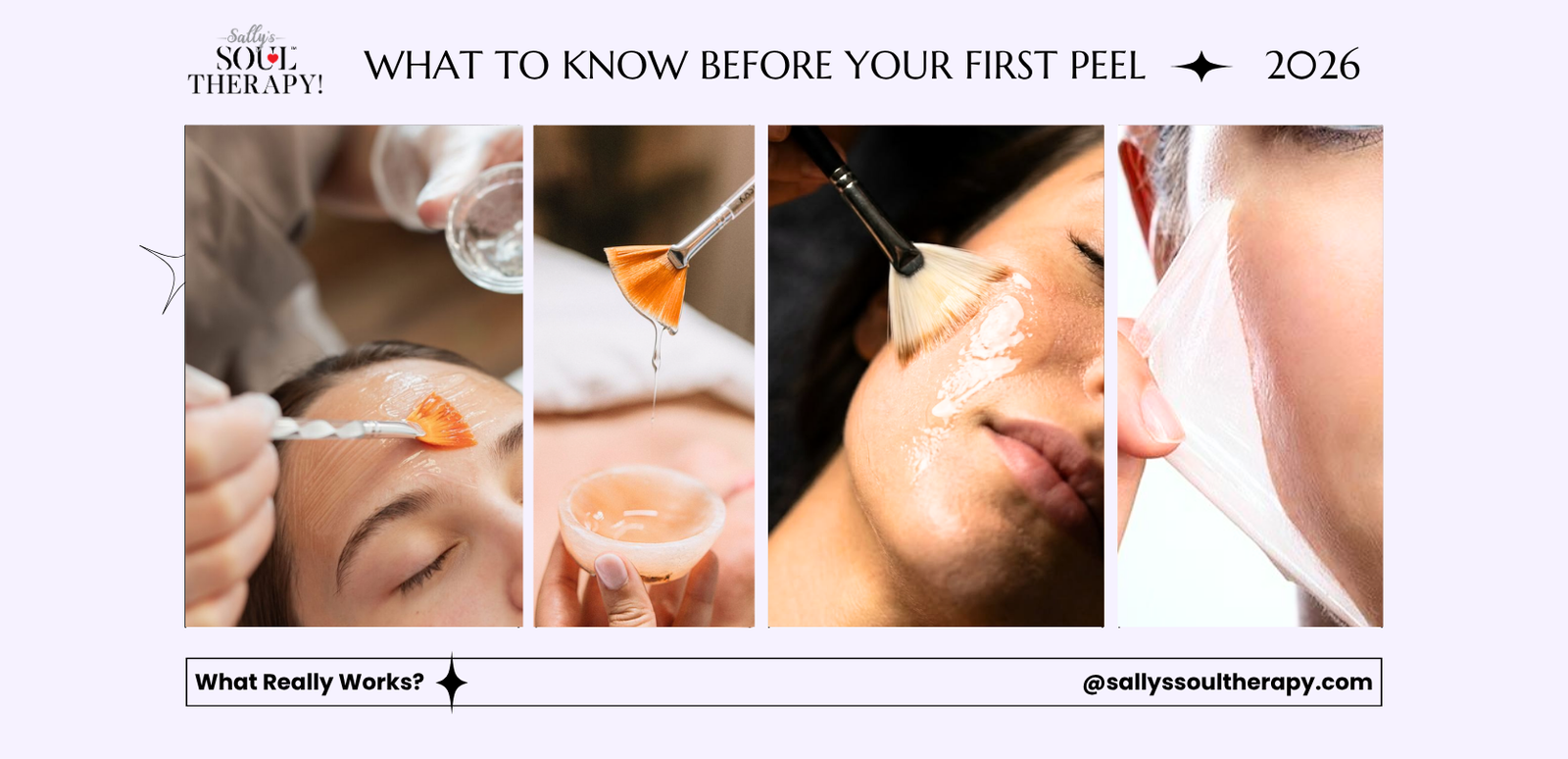
Chemical Peels: Everything You Need to Know Before Your First Treatment